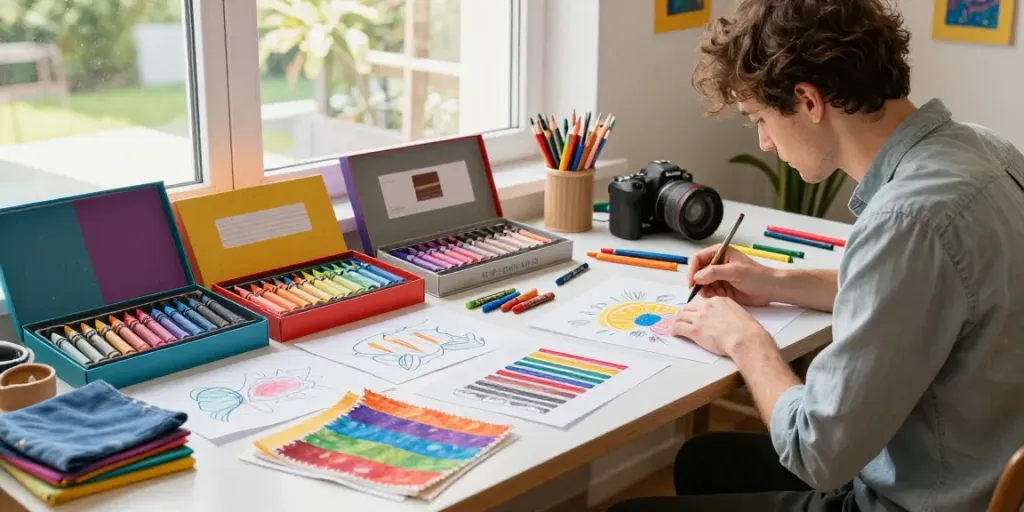
Understanding the Crayon Manufacturing Process
The crayon manufacturing process involves various stages, each crucial in ensuring the quality and consistency of the final product. Understanding what a crayon manufacturer does is vital for anyone interested in art supplies, educational tools, or children's products. From selecting the right materials to packaging, each step plays a significant role in delivering high-quality crayons to consumers and retailers alike.
What is a Crayon Manufacturer?
A crayon manufacturer is a specialized company dedicated to producing crayons in various forms, sizes, and qualities. These manufacturers focus on the creation of products that meet educational and artistic needs, while also aligning with safety standards and sustainability practices. They often innovate with new materials and designs, responding to market demands for eco-friendly and versatile art supplies.
Key Ingredients in Crayon Production
The primary ingredients in crayon production include paraffin wax, pigment, and sometimes additional additives to improve texture and durability. Paraffin wax serves as the base, providing the necessary consistency, while pigments supply the vibrant colors associated with crayons. Additives may include binders to ensure the crayon holds together and emollients that enhance the smoothness of the application. A growing trend among manufacturers is the use of natural and non-toxic materials, particularly for crayons intended for children.
The Role of Quality Control in Manufacturing
Quality control is paramount in crayon manufacturing. From raw material testing to the final product inspection, manufacturers employ various quality assurance processes to guarantee safety and performance. Regular sampling and testing help ensure that crayons maintain consistent color, texture, and functionality. This is especially important for products marketed towards schools and educational institutions, where standards may be dictated by regulatory bodies.
Types of Crayons and Their Applications
Different types of crayons serve various artistic and practical applications, catering to a wide range of consumers from young children to professional artists. Understanding these differences can help consumers choose the right type of crayon for their specific needs.
Wax Crayons: Affordable and Versatile
Wax crayons are the most common type of crayon, celebrated for their affordability and versatility. Suitable for children and beginners, they come in a broad spectrum of colors and are ideal for various surfaces. Wax crayons can also be blended for more complex hues, making them a favorite in classrooms and homes.
Plastic Crayons: Unique Shapes and Innovations
Plastic crayons have gained popularity due to their ability to be molded into unique shapes and sizes. This innovation not only enhances the creative possibilities but also attracts children with their playful designs. Additionally, plastic crayons often have a more durable finish, making them less susceptible to breakage compared to traditional wax crayons.
Fabric Crayons: Washing and Fading Properties
Fabric crayons are designed for use on textiles, allowing artists to create permanent designs on fabric. One key feature of fabric crayons is their ability to withstand washing without fading, enabling users to produce lasting artwork on clothing and canvas. As creativity expands, these crayons are increasingly used in DIY projects, fashion design, and educational art classes.
Market Trends for Crayon Manufacturers in 2026
The crayon market is evolving, with several trends influencing manufacturing and consumer choices. Staying abreast of these trends is essential for manufacturers aiming to succeed in a highly competitive landscape.
Eco-Friendly Alternatives: The Rise of Beeswax Crayons
As consumers increasingly seek sustainable and eco-friendly options, beeswax crayons have surged in popularity. These crayons are made from natural beeswax and offer an alternative to traditional petroleum-based products, appealing to environmentally conscious buyers. Beeswax crayons often feature vibrant colors and a smooth texture, making them an attractive choice for artists and parents alike.
Consumer Preferences and Customization Options
Today's consumers are looking for more than just standard products; they are interested in customization and personalization. Crayon manufacturers are responding by offering bespoke colors, shapes, and packaging options that cater to individual customer preferences. This trend enhances brand loyalty and allows manufacturers to differentiate themselves in a crowded market.
Technological Innovations in Crayon Manufacturing
Advancements in manufacturing technology are shaping the future of crayon production. Automated processes are enhancing efficiency and precision, allowing manufacturers to scale up production while maintaining quality. Innovations in eco-friendly materials are also paving the way for sustainable practices, enabling companies to meet consumer demand without sacrificing performance.
Effective Marketing Strategies for Crayon Manufacturers
To thrive in the competitive crayon market, manufacturers must adopt effective marketing strategies that resonate with their target audience.
Building a Strong Brand Identity
A strong brand identity helps differentiate a manufacturer in a saturated market. Companies can establish their unique value proposition by focusing on the quality, safety, and creativity of their products. Engaging storytelling and a memorable visual identity reinforce brand recognition among consumers and retailers alike.
Utilizing Social Media Platforms
Social media platforms are powerful tools for reaching potential customers. Crayon manufacturers can showcase their products through engaging content, tutorials, and user-generated artwork. Leveraging platforms like Instagram and Pinterest can help build a community around the brand while driving awareness and sales.
Collaborations with Schools and Art Programs
Building partnerships with schools and art programs can foster brand loyalty and encourage bulk purchasing. Offering educational resources, workshops, or sponsorships can create valuable connections with educators and parents, positioning the manufacturer as a trusted source for art supplies.
Challenges Faced by Crayon Manufacturers
Despite the growth opportunities in the crayon market, manufacturers face several challenges that require strategic planning and adaptation.
Supply Chain Disruptions and Their Impact
Global supply chain disruptions have caused challenges in sourcing raw materials and maintaining production efficiency. Crayon manufacturers must develop robust supply chain strategies to mitigate risks and ensure the timely delivery of products to consumers.
Meeting Consumer Demand for Sustainability
With the increasing demand for sustainable products, manufacturers must adapt their practices to reduce environmental impact. This involves sourcing eco-friendly materials and implementing energy-efficient processes, ultimately appealing to environmentally conscious consumers.
Adapting to Changing Regulations and Standards
Crayon manufacturers must stay informed about evolving regulations and safety standards, particularly those related to children's products. Compliance is not only necessary for legal operations but also enhances consumer trust in the brand.