Understanding AI Image Variations
As artificial intelligence continues to evolve, one of the most exciting advancements in the creative sector is the concept of AI image variations. This technology allows designers, marketers, and artists to generate multiple iterations of an image, enhancing creativity and efficiency in design processes. By leveraging sophisticated algorithms, AI tools can create visually unique images while maintaining the core elements of the original, providing a fresh take on existing visuals. This article explores the nuances of AI image variations, their applications, and their transformative impact on design workflows.
What Are AI Image Variations?
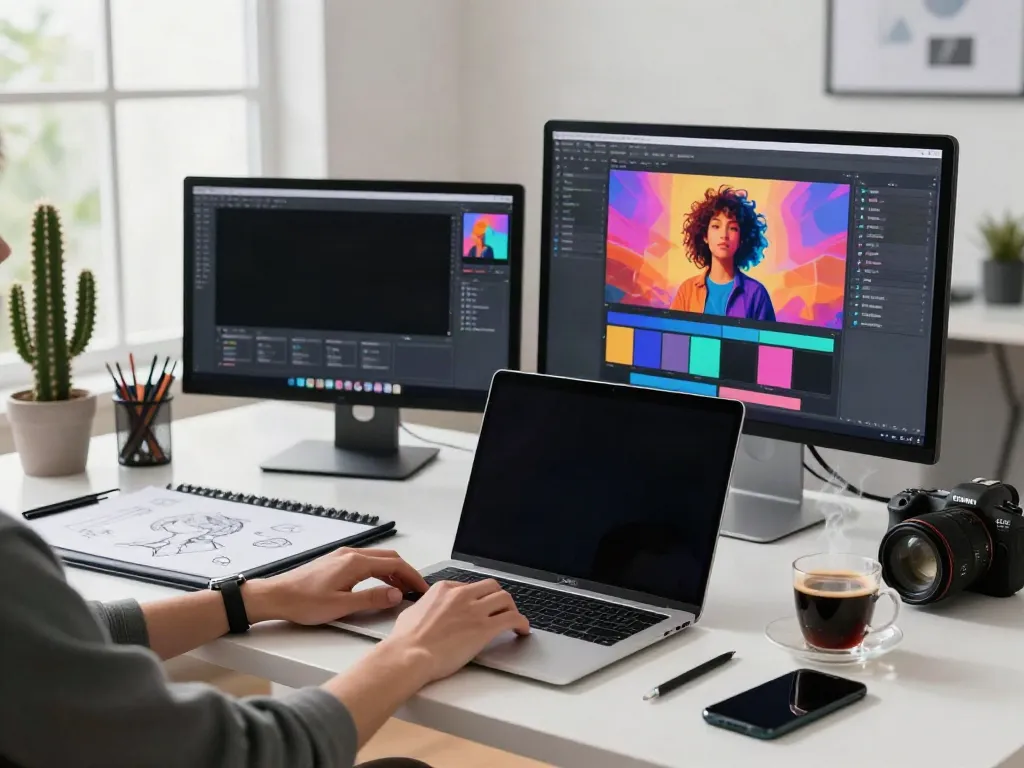
AI image variations refer to the process of using artificial intelligence to create different versions of a given image. This process utilizes machine learning algorithms that analyze the original image's features, allowing the AI to generate new images that share similar traits yet differ in style, composition, or other artistic elements. For example, a single photograph can yield versions with altered colors, backgrounds, or even entire artistic styles, such as turning a realistic portrait into a watercolor painting or a digital illustration.
The Technology Behind AI Image Variations
The technology underlying AI image variations is rooted in neural networks, particularly Generative Adversarial Networks (GANs). These networks consist of two main components: the generator and the discriminator. The generator creates new images based on the input data, while the discriminator evaluates them against real images, providing feedback. Over time, this dynamic improves the generator's ability to produce realistic and diverse image variations. Other techniques, such as Style Transfer and Augmented Reality, also contribute to creating compelling AI-generated variations.
Benefits of Utilizing AI Image Variations in Design
- Enhanced Creativity: AI image variations can inspire designers by providing them with multiple creative paths from a single idea.
- Time Efficiency: Generating variations quickly reduces the time spent on manual edits and iterations.
- Cost-Effectiveness: Businesses can save on costs associated with hiring models, photographers, or other resources by creating variations digitally.
- Consistency in Branding: AI allows for quick adaptations of brand visuals, ensuring that designs remain consistent across different platforms.
Implementing AI Image Variations in Your Workflow
Choosing the Right Tools for AI Image Variations
When integrating AI image variations into your design workflow, selecting the right tools is critical. Numerous platforms offer AI-driven image variation capabilities. Tools like OpenArt, Pincel, and Adobe Firefly provide user-friendly interfaces that make it easy for designers at all levels to generate unique image variations. Each tool has its unique features, ranging from batch processing capabilities to style customization options, so understanding your specific needs is key to making the right choice.
Integrating AI Image Variations into Design Processes
To effectively integrate AI image variations into your design processes, consider the following steps:
- Define Your Objectives: Determine what you want to achieve with image variations—whether for product design, marketing campaigns, or creative explorations.
- Train Your AI: Use a range of images to train your AI tools, ensuring that the generated variations align with your vision and brand identity.
- Iterate and Refine: Utilize feedback loops to refine the generated images, selecting the best variations that resonate with your audience.
Common Challenges and Solutions with AI Image Variations
While the benefits of using AI image variations are compelling, several challenges may arise:
- Quality Control: Some AI-generated images may not meet quality standards. Regular human oversight is necessary to evaluate and finalize designs.
- Overfitting: An AI model might generate variations that are too similar to the original. Using diverse training data can mitigate this risk.
- Integration Issues: Ensuring the AI tools fit seamlessly into existing workflows may require some technical adjustment or additional training for team members.
Enhancing Creativity with AI Image Variations
Examples of Successful Use Cases for AI Image Variations
Several industries are leveraging AI image variations to enhance creativity and efficiency. For instance, in fashion, brands use these tools to generate diverse looks from a single design, allowing them to present multiple styles without extensive photo shoots. In marketing, companies utilize AI variations to create captivating social media visuals that cater to different demographics, ensuring targeted messaging is consistent while appealing to various audiences.
Exploring Different Styles with AI Image Variations
AI image variations can explore a wide range of artistic styles. Designers can generate images that mimic classical art styles—such as impressionism or cubism—or create modern digital aesthetics. This flexibility allows businesses to experiment with their visual identity, adapting to current trends or launching entirely new campaigns based on unique artistic interpretations.
How AI Image Variations Stimulate Innovative Thinking
By automatically generating diverse options, AI image variations stimulate innovative thinking among designers. When presented with multiple interpretations of an idea, creative professionals can break free from traditional constraints, encouraging out-of-the-box solutions and novel concepts that might not have emerged from conventional brainstorming sessions.
Measuring Success with AI Image Variations
Key Performance Indicators for AI Image Variations
To assess the effectiveness of AI image variations, it's essential to establish key performance indicators (KPIs). These can include:
- User Engagement: Monitor how audiences interact with different image variations across platforms.
- Conversion Rates: Analyze the impact of varied images on sales and conversions, particularly in e-commerce settings.
- Feedback Quality: Gather qualitative feedback from team members and consumers on the appeal and effectiveness of generated variations.
Gathering User Feedback on AI Image Variations
User feedback plays a critical role in honing the effectiveness of AI image variations. Conduct surveys and focus groups to gather insights on user preferences, allowing designers to adjust their approach based on real-world reactions. Implementing A/B testing can also help in comparing the performance of different variations to determine which resonates best with the audience.
Case Studies: Impact of AI Image Variations on Design Projects
Several case studies illustrate the successful implementation of AI image variations. A notable example is a marketing campaign for a beverage brand, which used AI to generate variations of its product images, resulting in a 30% increase in engagement on social media. Another case involved a furniture retailer that employed AI variations to showcase their products in various settings, leading to improved online sales by catering to the consumer's visual preferences.
The Future of AI Image Variations in Design
Trends to Watch for in AI Image Variations by 2026
As we look towards 2026, several trends are emerging in the realm of AI image variations:
- Personalization: AI is expected to drive further personalization, enabling brands to create tailor-made image variations that resonate with individual consumer preferences.
- Increased Interactivity: Future iterations are likely to include interactive elements, allowing users to modify images in real-time, enhancing engagement and creativity.
- Integration with Augmented Reality: AI image variations will increasingly integrate with AR technology, enabling users to visualize products in real-world settings more effectively.
Expert Predictions for AI Image Variations in Creative Industries
Experts predict that as AI technologies continue to evolve, the capabilities of image variations will expand multifold. The refinement of neural networks will lead to more sophisticated and nuanced image generation, making the outputs indistinguishable from human-created art. This progression will challenge traditional notions of creativity and authorship in the design field.
Preparing Your Brand for the Evolution of AI Image Variations
To leverage the full potential of AI image variations, brands should invest in training and adapting their design teams to work fluently with these tools. By fostering a culture of innovation and experimentation, businesses can stay ahead of the curve, ensuring they harness the capabilities of AI to enhance their visual strategies effectively.