Understanding Mini Split Air Conditioners
In today's rapidly changing climate, efficient and effective cooling systems have never been more essential in maintaining indoor comfort. Among these systems, the mini split of air conditioner stands out as a popular choice for both residential and commercial applications. These systems are designed to deliver targeted cooling and heating while offering energy efficiency that traditional HVAC systems often struggle to match.
What is a Mini Split Air Conditioner?
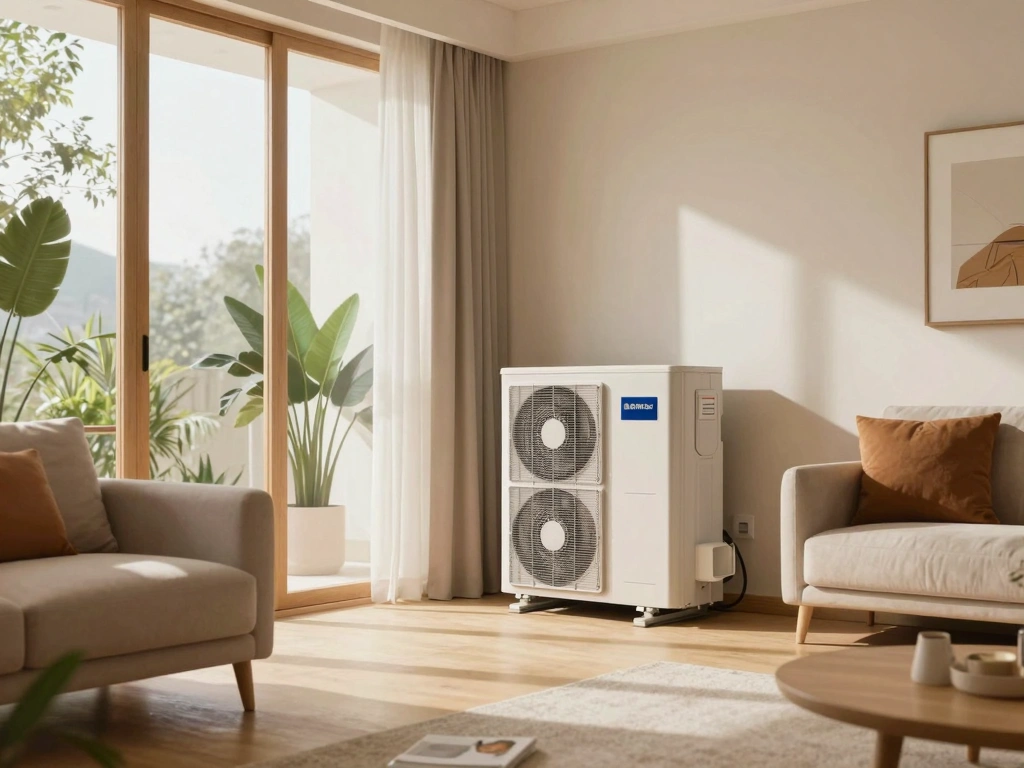
A mini split air conditioner is a type of HVAC system that consists of two main components: an outdoor unit and one or more indoor units. Unlike traditional systems that rely on ductwork, mini splits operate on a ductless principle. This allows them to be installed in various configurations, providing flexibility in design and installation. Mini splits are particularly effective in heating and cooling individual rooms or zones, making them ideal for homes without existing ductwork.
Key Components and Their Functions
Understanding the key components of a mini split air conditioning system is crucial for evaluating its functionality:
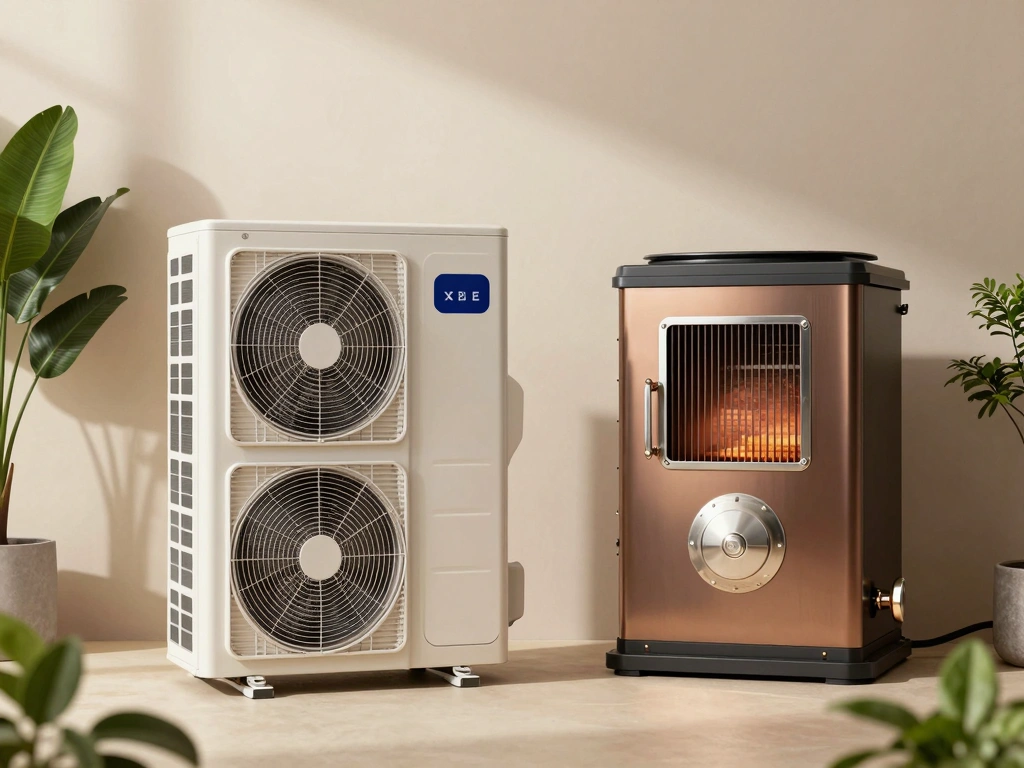
- Outdoor Unit: This unit houses the compressor, condenser, and expansion valve. It is responsible for exchanging heat with the outside air, absorbing heat from indoors and releasing it outside during cooling modes.
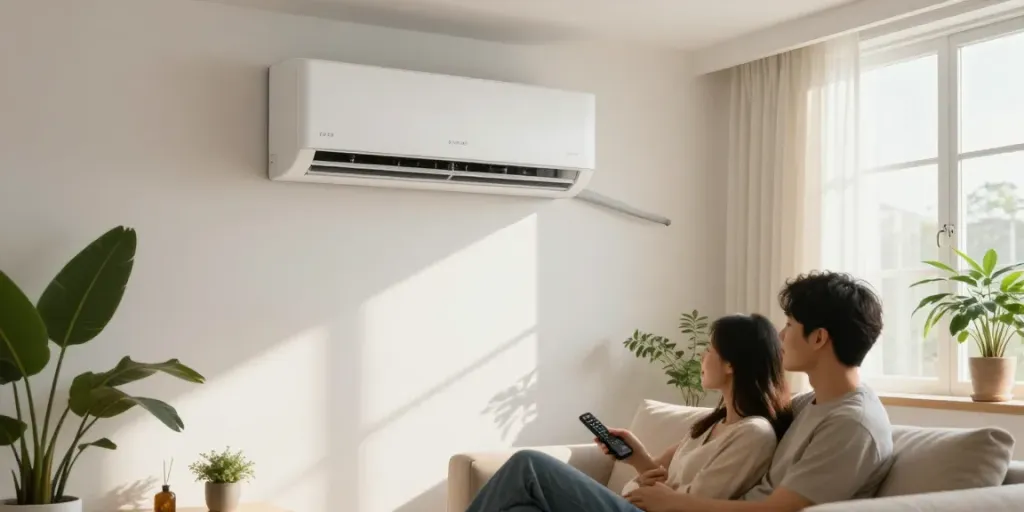
- Indoor Unit: This component is installed inside the living space and is equipped with a fan and evaporator coil. It circulates cool or warm air throughout the room, providing comfortable temperatures.
- Refrigerant Lines: These insulated lines carry the refrigerant between the indoor and outdoor units, facilitating the heat exchange process.
- Thermostat/Remote Control: Most mini splits come with a thermostat or remote control system that allows homeowners to set desired temperatures and modes of operation.
Benefits of a Mini Split Air Conditioning System
Mini split air conditioners offer several advantages that make them a compelling choice for efficient climate control:
- Energy Efficiency: Mini splits are designed to conserve energy, often featuring high SEER (Seasonal Energy Efficiency Ratio) ratings, which can lead to lower energy bills.
- Zone Control: They allow for temperature regulation in individual rooms, enhancing comfort and minimizing energy waste.
- Easy Installation: The lack of ductwork simplifies the installation process, often reducing installation time and costs.
- Reduced Noise Levels: Mini splits operate more quietly than traditional systems, providing a peaceful indoor environment.
Installation Considerations for Mini Split Systems
Choosing the Right Location for Installation
Location is a critical factor in the effective installation of a mini split system. Factors to consider include:
- Accessibility: Ensure that both indoor and outdoor units are easily accessible for maintenance and repairs.
- Sun Exposure: Avoid placing the outdoor unit in direct sunlight if possible, as high temperatures can affect performance.
- Indoor Layout: Indoor units should be positioned for optimal airflow and to ensure even temperature distribution across the room.
Common Installation Mistakes to Avoid
While installing a mini split can be straightforward, several common mistakes can compromise performance:
- Inadequate Refrigerant Charge: Ensure proper refrigerant levels to avoid efficiency losses.
- Improper Placement of Indoor Units: Installing units too high or too low can disrupt airflow.
- Neglecting Electrical Considerations: Adhering to electrical codes and guidelines is crucial for safety and efficiency.
Professional vs. DIY Installation: Pros and Cons
Choosing between professional installation and doing it yourself (DIY) involves weighing the pros and cons:
- Professional Installation: Guarantees proper system setup and compliance with local regulations but can be more expensive.
- DIY Installation: Saves money but requires knowledge and skill to avoid critical mistakes.
Maintaining Your Mini Split Air Conditioner
Routine Maintenance Best Practices
Regular maintenance is vital for keeping a mini split system functioning optimally:
- Clean or Replace Filters: Dirty filters can restrict airflow and reduce efficiency. Check them monthly and replace or clean as needed.
- Inspect the Outdoor Unit: Ensure the outdoor unit is free from debris, leaves, and other obstructions that can hinder its performance.
- Schedule Professional Maintenance: Annual check-ups by a qualified technician can prevent potential issues before they become major problems.
Signs Your Mini Split Needs Service
Recognizing when your mini split needs attention can save time and money:
- Inconsistent Temperatures: If certain rooms are significantly warmer or colder than others, it may be time for servicing.
- Unusual Noises: Grinding, rattling, or buzzing sounds indicate potential mechanical issues.
- Increased Energy Bills: A sudden spike in energy bills can imply inefficiencies or malfunctions.
Filters and Their Importance in Air Quality
Indoor air quality is heavily influenced by the air filters in mini split systems. High-quality filters trap dust, allergens, and pollutants, ensuring that the air circulating in your home is clean and safe. Regular maintenance of these filters will not only improve air quality but also enhance system efficiency.
Energy Efficiency and Cost Savings
Understanding SEER Ratings and Their Significance
SEER ratings are essential indicators of energy efficiency for air conditioning systems. The higher the SEER rating, the more efficient the system. Mini splits typically range from 15 SEER to over 25 SEER, translating to substantial savings on energy bills compared to traditional units.
How Mini Splits Can Lower Your Energy Bills
By providing zone control and operational efficiency, mini split air conditioners can significantly reduce energy consumption. Homeowners can cool only the areas in use, leading to less energy waste and lower monthly bills. Additionally, many mini split systems utilize inverter technology, which allows them to adjust their heating and cooling output to match current conditions, further improving efficiency.
Government Incentives for Energy-Efficient Systems
Homeowners interested in installing energy-efficient systems may benefit from federal and state incentives. These incentives can include tax credits, rebates, or financing options aimed at promoting environmentally friendly home improvements. Always check local regulations and programs to maximize savings.
Future Trends in Mini Split Technology
Technological Innovations on the Horizon
The mini split technology landscape is continuously evolving, with innovations improving performance and user experience:
- Smart Technology: Many new systems are equipped with Wi-Fi capabilities, allowing for remote control via smartphones, enhancing convenience and efficiency.
- Advanced Filtration Systems: Emerging models may include HEPA filters or UV-light technology to further purify indoor air.
- Eco-Friendly Refrigerants: As environmental regulations tighten, newer refrigerants that have a lower global warming potential are being developed.
Emerging Features to Expect in 2026
As technology progresses, we anticipate several consumer-friendly features in upcoming mini split models, including:
- Voice Control: Integration with smart home devices for hands-free control of heating and cooling settings.
- Enhanced Energy Monitoring: Real-time tracking of energy usage and efficiency metrics through mobile apps.
- Improved Aesthetic Designs: Sleeker, modern units that blend seamlessly with interior decor.
Eco-Friendly Initiatives in Air Conditioning
As sustainability continues to be a top priority, manufacturers are increasingly focusing on developing eco-friendly air conditioning solutions. This includes using renewable energy sources, improving efficiency ratings, and creating recyclable components to minimize environmental impact.
What Are the Downsides of a Mini Split AC System?
Despite their numerous advantages, mini splits do come with some potential downsides:
- Initial Cost: The upfront cost for purchasing and installing a mini split system can be higher compared to traditional units.
- Visual Impact: Indoor units may not suit everyone's aesthetic preferences, though newer models are designed to be less obtrusive.
- Maintenance Needs: While maintenance is straightforward, neglecting it can lead to issues and reduced efficiency over time.
Why is My Electric Bill So High with Mini Split?
High electricity bills can be linked to various factors associated with mini split systems, including:
- Improper Sizing: If the system is too large or too small for the installation space, it will not operate efficiently, leading to higher energy consumption.
- Dirty Filters: Clogged filters force the system to work harder, consuming more energy than necessary.
- Inverter Malfunctions: Issues with inverter technology can disrupt operational efficiency and lead to spikes in energy usage.
What is the Typical Cost of Installing a Mini Split System?
The installation costs for mini split systems vary widely depending on several factors such as the number of indoor units, the complexity of the installation, and geographical location. On average, homeowners can expect to pay between $2,000 and $8,000 for the complete installation of a mini split system, including equipment and labor. Getting estimates from multiple contractors can help ensure a fair price.
Are Mini Splits Good for Air Conditioning?
Yes, mini splits are highly effective for cooling and heating spaces. They offer precise temperature control and energy efficiency that make them suitable for various applications, from single-family homes to larger commercial buildings. However, evaluating specific needs and consulting with HVAC professionals is essential for ensuring the best outcome for your situation.